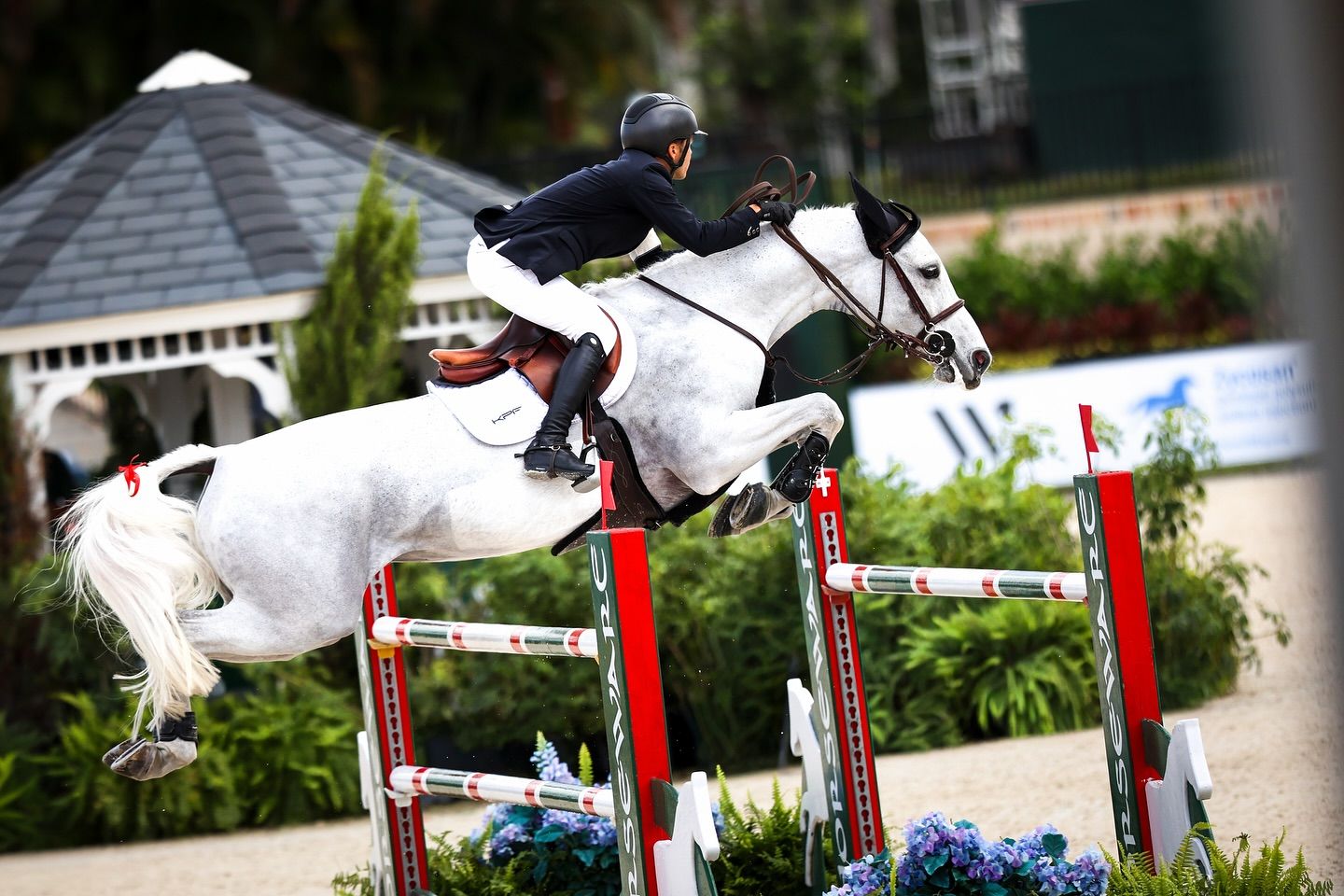

When people talk about successful showjumping studbooks, the same names usually dominate the conversation: Selle Français, KWPN, BWP and Zangersheide.
And understandably so. These four studbooks account for the largest populations in international sport and collectively produce the highest total prize money year after year. But looking only at total earnings can be misleading. Large populations naturally generate more results.
So what happens when we look beyond the giants?
Using Hippomundo data, we analyzed studbooks with at least 250 registered sport horses and compared not only total earnings, but also population size and average earnings per horse. The results reveal several smaller studbooks that consistently punch above their weight.
The power of the big four
Before looking at the challengers, it's worth understanding the scale of the market leaders. Selle Français, BWP, KWPN and Zangersheide occupy the top four positions in total earnings and also rank among the largest populations in international sport.
Their dominance is built on numbers. More horses means more opportunities to produce top performers, more representation at international competitions and ultimately more prize money. Yet size alone does not tell the whole story. When average earnings per horse are taken into account, several smaller studbooks suddenly become extremely competitive.
Swedish Warmblood: the silent overachiever
Perhaps the biggest surprise in the ranking is the Swedish Warmblood Association (SWB). Despite having a significantly smaller population than the major European studbooks, SWB ranks second in average earnings per horse.
That success is no coincidence. The studbook is represented by an impressive collection of international stars, including:
- Iron Dames Singclair and Sophie Hinners
- Point Break and Ben Maher
- Cicci BJN and Wilma Hellström
- Trezeguet and Annelies Vorsselmans
- Hipster SV and Olivier Philippaerts
These horses regularly compete at the highest level of international sport and prove that Sweden produces far more elite jumpers than its relatively modest population would suggest.
Irish Sport Horse: built for performance
The Irish Sport Horse (ISH) has long enjoyed a strong reputation among riders, and the numbers support that reputation. ISH ranks among the highest-performing smaller studbooks and continues to produce exceptional Grand Prix horses.
Recent examples include:
Irish breeding has traditionally focused on functionality, toughness and rideability. Those qualities continue to translate remarkably well to modern international sport.
sBs: Belgium's hidden gem
When Belgian breeding is discussed, BWP usually receives most of the attention. Yet the Belgian Sport Horse studbook (sBs) quietly continues to produce top-level performers. Among its international representatives are:
Despite a population that is only a fraction of BWP's size, sBs repeatedly delivers horses capable of competing at the highest level of the sport. Its influence is often underestimated simply because it operates in the shadow of one of the world's most successful studbooks.
Westfalen: quality over quantity
Westfalen may not have the population numbers of KWPN or Selle Français, but it certainly does not lack quality. Few studbooks can claim a list of current stars as impressive as:
The success of United Touch S alone has brought enormous international attention to the studbook, but the broader depth of top performers shows that this is no one-horse story. Westfalen consistently produces horses capable of reaching the very highest level.
Hannover and Holstein remain breeding powerhouses
While often considered traditional German studbooks rather than emerging challengers, both Hannover and Holstein continue to outperform many larger populations. For Hannover, names such as:
demonstrate the studbook's continued relevance at the top level. Holstein, meanwhile, remains one of the strongest sources of international jumping genetics through horses such as:
For decades, Holstein has been one of the foundations of modern showjumping breeding, and the current generation proves that little has changed.
Don't forget Oldenburg
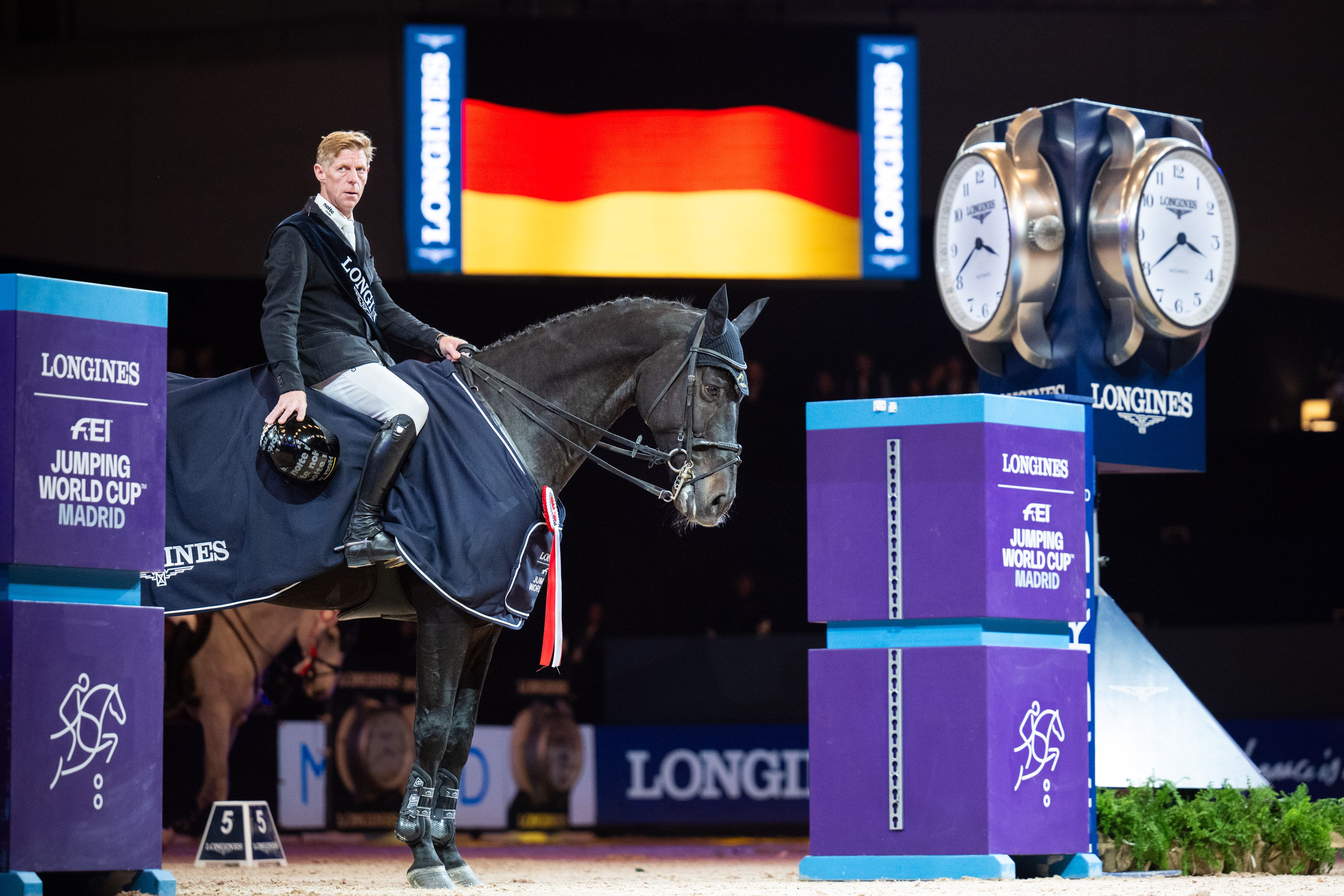
Oldenburg may not attract the same attention as some of the larger studbooks, but its representatives continue to achieve remarkable success.
Current stars include:
These horses show that elite talent can emerge from many different breeding programs, not just the largest ones.
Bigger is not always better
The most interesting conclusion from the data is that population size and quality are not always directly linked. The largest studbooks dominate total earnings because they simply have more horses competing internationally.
However, smaller studbooks such as SWB, ISH, Westfalen and sBs demonstrate that when measured on efficiency and average earnings per horse, they can compete remarkably well with the industry's giants.
The real lesson
Breeders often focus on the most fashionable studbooks, assuming that the largest populations automatically produce the best horses. The data suggests other possibilities.
Behind the dominance of Selle Français, BWP, KWPN and Zangersheide lies a fascinating group of smaller studbooks that continue to produce Olympic horses, Grand Prix winners and championship contenders at an impressive rate. Perhaps the next superstar of international showjumping won't come from one of the obvious choices. History suggests there's a good chance it might come from one of these underrated programs.