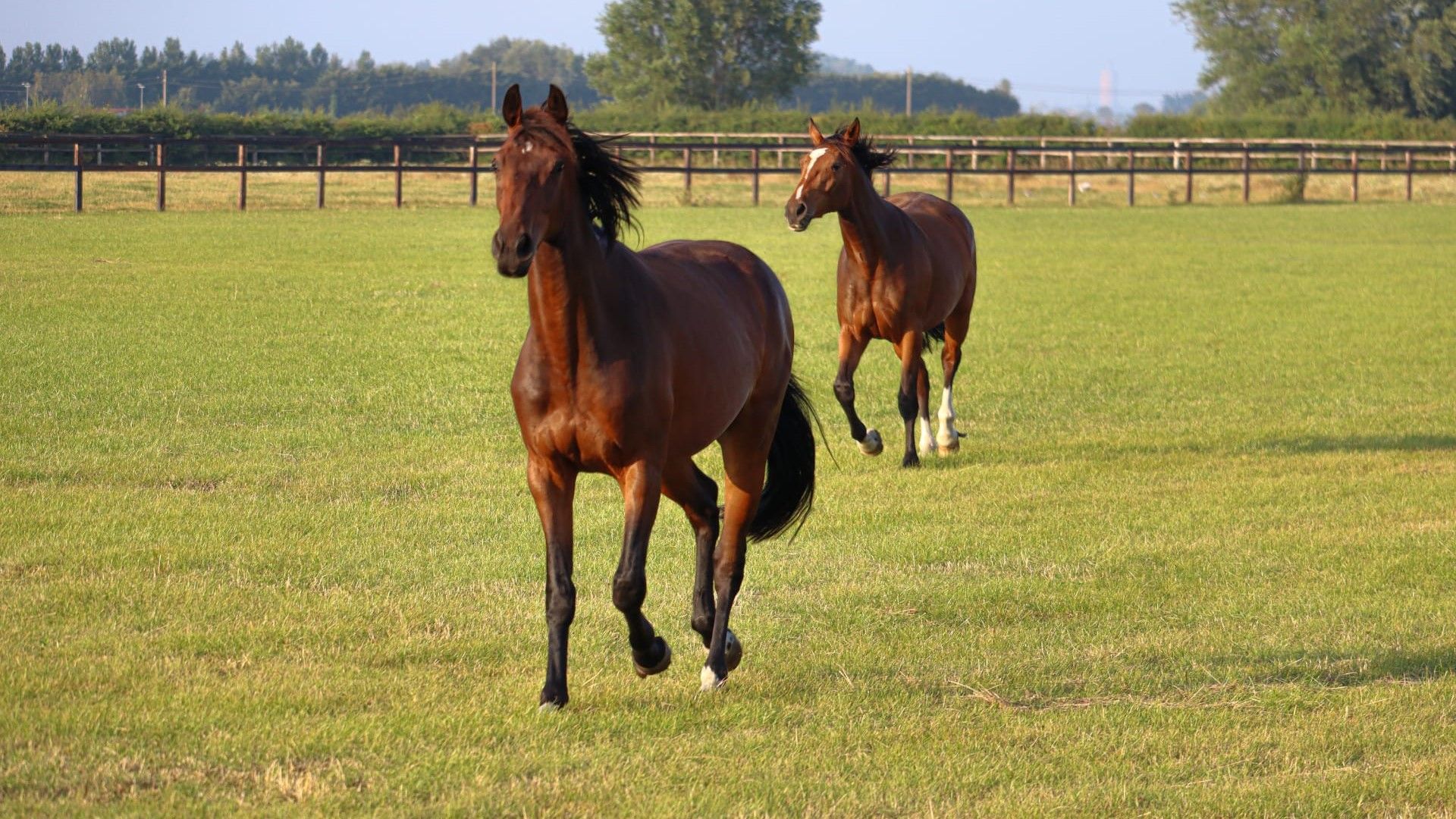

Separation anxiety is a term usually used in child psychology to define a child or adolescent who experiences extraordinary fear, depression, or even panic when separated from attached individuals or places. In horses a combination of innate disposition and previous experience will dictate how well a horse copes with being separated from their herd mates. Separation anxiety is relatively common in horses and usually occurs when bonded horses are separated in a way that they cannot touch or see each other. This detachment can elicit feelings of fear, anxiety and stress in horses, however short or long the period of the separation.
The most common sign of separation anxiety is abnormal vocalisation. Horses will try to call out to their companions. Besides that, horses suffering from separation anxiety may shake or tremble as well as show abnormal sweating and an increased heart rate. Some horses may lose their appetite or even be unwilling to drink, while others will try to rear, kick and bite in an attempt to be reunited with their mates.
As in many cases, prevention is better than the cure for separation anxiety. To prevent future problems you can systematically expose young horses from being apart from their companions at an early stage in life. If they get used to their herd mates coming and going while they are young, it may become routine as they mature. A young horse that is already showing distress due to separation can be exposed to gradually increasing distances of separation. This will avoid any explosive panic which won't give them bad experiences that can illicit future panic.
If you think your older horse experiences separation anxiety, it is important to take things step by step. Start with some simple exercises in a fenced area, within sight of your horse's companions. These exercises should focus on getting your horse to listen and focus on you. Keep the exercises short and clear with a positive reward at the end of it. As your horse increasingly listens to you during these exercises, you can gradually move further away from your horse's companions. With the help of these regular exercises, you gradually build up your horse's confidence from being away from their herd mates through distraction, as well as reinforcing obedience.
Some horses find comfort in being paired with other animal companions such as mini's, goats, donkeys, chickens, pigs etc for especially stressful situations such as transport or stabling. Adding magnesium to a horse's diet can also have a calming effect on anxious horses. However it is important to note that each horse is unique and a training method should always be tailored to each horse's specific needs.